Looking to Advance Cold Chain Interoperability Through RFID Collaboration

This week, the AIM Global RFID Experts Group convened to review and discuss a proposed initiative focused on improving interoperability and data accessibility within cold chain monitoring environments. The discussion centered on how RFID, sensor technologies, and connected data systems can better support temperature-sensitive supply chains across industries such as pharmaceuticals, food, and healthcare.

A major theme throughout the discussion was the growing need for standardized methods of accessing and sharing environmental and sensor data across multiple platforms, readers, and stakeholders. While existing RFID standards already support item identification and tracking, participants highlighted ongoing challenges associated with retrieving and interpreting sensor-based environmental data in a consistent and scalable way. The group explored how current software layers and proprietary integrations can create silos that limit visibility throughout the supply chain.

The conversation also emphasized the importance of developing practical, industry-driven guidance before pursuing a formal international standards effort. Rather than immediately launching a formal standards project, the group discussed forming an ad hoc working group to further define industry requirements, evaluate real-world use cases, and identify achievable near-term deliverables. Areas of focus included developing common data frameworks, supporting interoperable event structures, and enabling easier access to sensor information regardless of hardware or software provider.

Particular attention was given to pharmaceutical cold chain applications as a potential starting point for the initiative. Participants noted that pharmaceutical environments often present stricter regulatory requirements, stronger traceability expectations, and higher levels of technology adoption, making the sector an ideal use case for early collaboration and validation efforts.

As a next step, the RFID Experts Group will be organizing an ad hoc working session focused specifically on the cold chain proposal and its potential deliverables. This collaborative effort will help shape the direction of the initiative and determine whether the group develops a technical framework, best practices guidance, or other interoperability recommendations for the industry.

Professionals involved in RFID, cold chain logistics, pharmaceuticals, food traceability, IoT, sensor technologies, and supply chain visibility are encouraged to participate in the upcoming discussions. The RFID Experts Group continues to serve as a collaborative forum where industry stakeholders can help shape the future of interoperable identification and data-sharing technologies.

To learn more about participating in the RFID Experts Group and future cold chain interoperability discussions, reach out to Mike Allen.


RFID Experts Group to Explore Cold Chain Monitoring Opportunity on May 12

Join AIM’s RFID Experts Group on May 12 at 2:00 PM ET as industry leaders begin discussion focused on end-to-end visibility, interoperability, and traceability for temperature-sensitive goods. This call has been necessitated as demand continues to rise for reliable transport of temperature-sensitive goods such as pharmaceuticals, biologics, and perishable foods.  With this, the industry is facing a growing need for more unified, scalable, and interoperable monitoring solutions. On this call, REG participants will begin exploring how AIM can help advance industry collaboration around a cold chain project aimed at improving visibility, accountability, and standards alignment across the supply chain.


Today, many cold chain operations still rely on standalone temperature data loggers that provide only limited snapshots of product conditions during transit. This fragmented approach often results in delayed feedback, siloed data, and limited ability to intervene when temperature excursions occur, creating risk for spoilage, recalls, compliance failures, and inefficiencies. According to Mordor Intelligence, the global cold chain logistics market is projected to reach approximately $515.8 billion by 2031, underscoring the scale and urgency of improving end-to-end cold chain visibility and traceability. This proposed project will explore opportunities to define a more unified framework for cold chain data integration, helping to support interoperability across hardware, software platforms, and supply chain stakeholders while enabling stronger compliance with initiatives such as FSMA 204, sustainability goals, and broader traceability efforts.


This discussion is expected to focus on the role RFID and sensor-enabled technologies can play in enabling more continuous, real-time monitoring from pallet-level visibility down to the box or item level. By establishing common data structures and encouraging broader industry alignment, this work could help reduce integration barriers, improve trust among trading partners, and unlock new opportunities for innovation across food, healthcare, logistics, and beyond. Intrested parties are encouraged to attend and contribute their perspectives as this important conversation begins.


Please contact me (mike@aimglobal.org) if you would like to be part of the call.


MODEX 2026 Recap: Powered by Data, Driven by Community

MODEX 2026 Recap: Powered by Data, Driven by Community

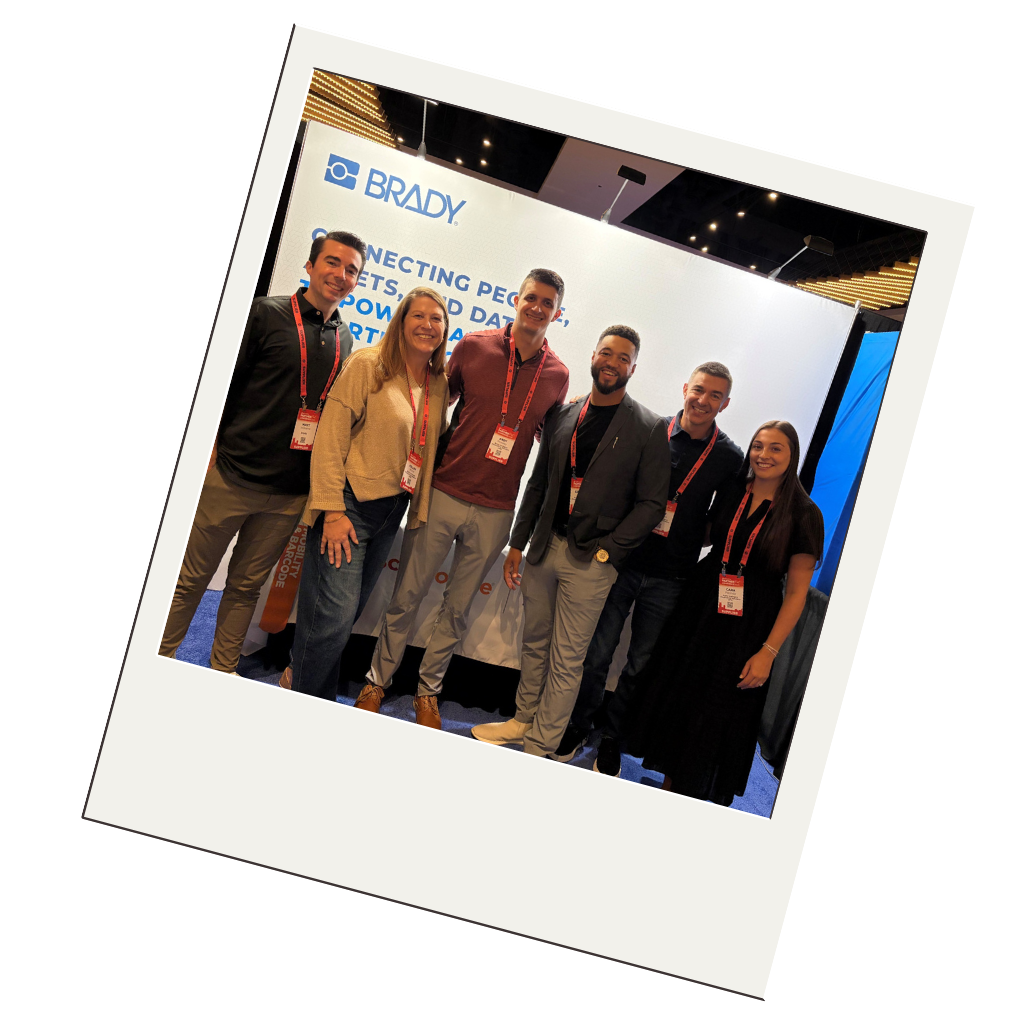
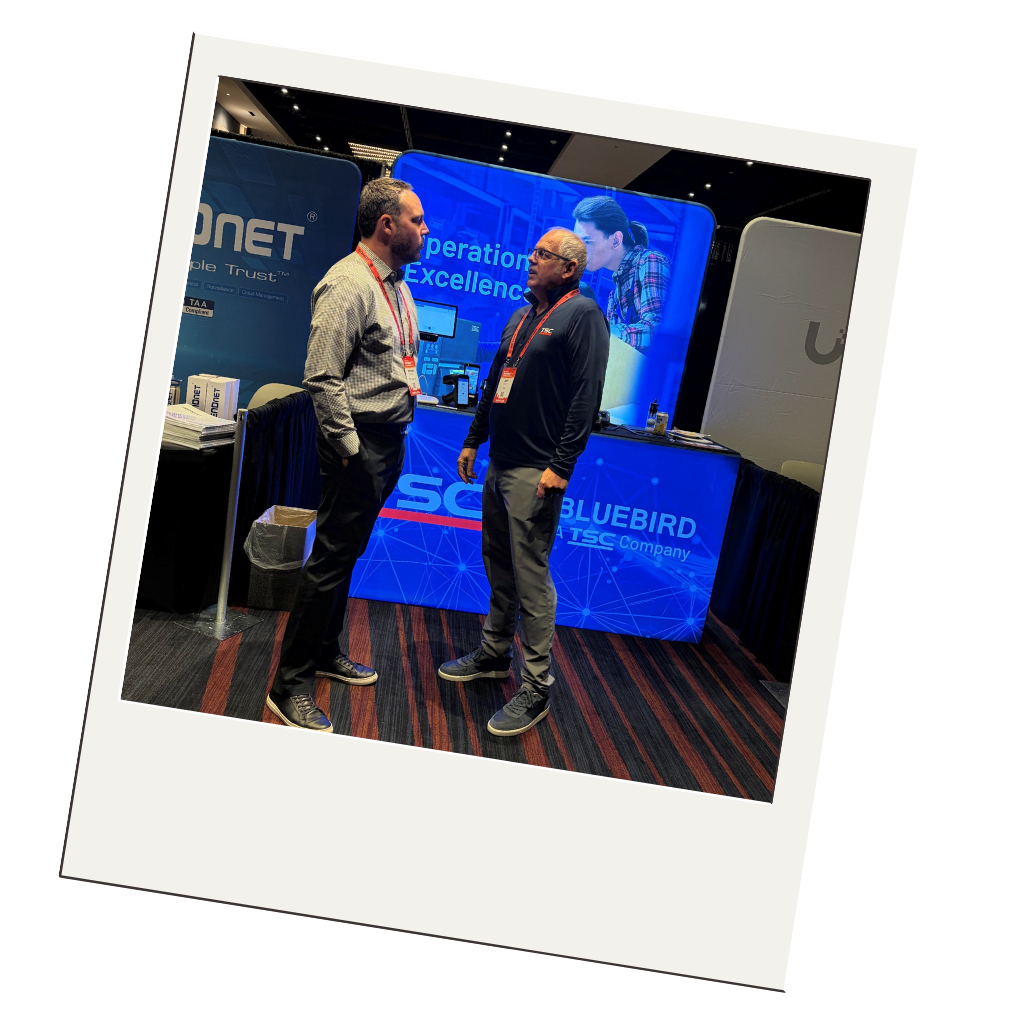
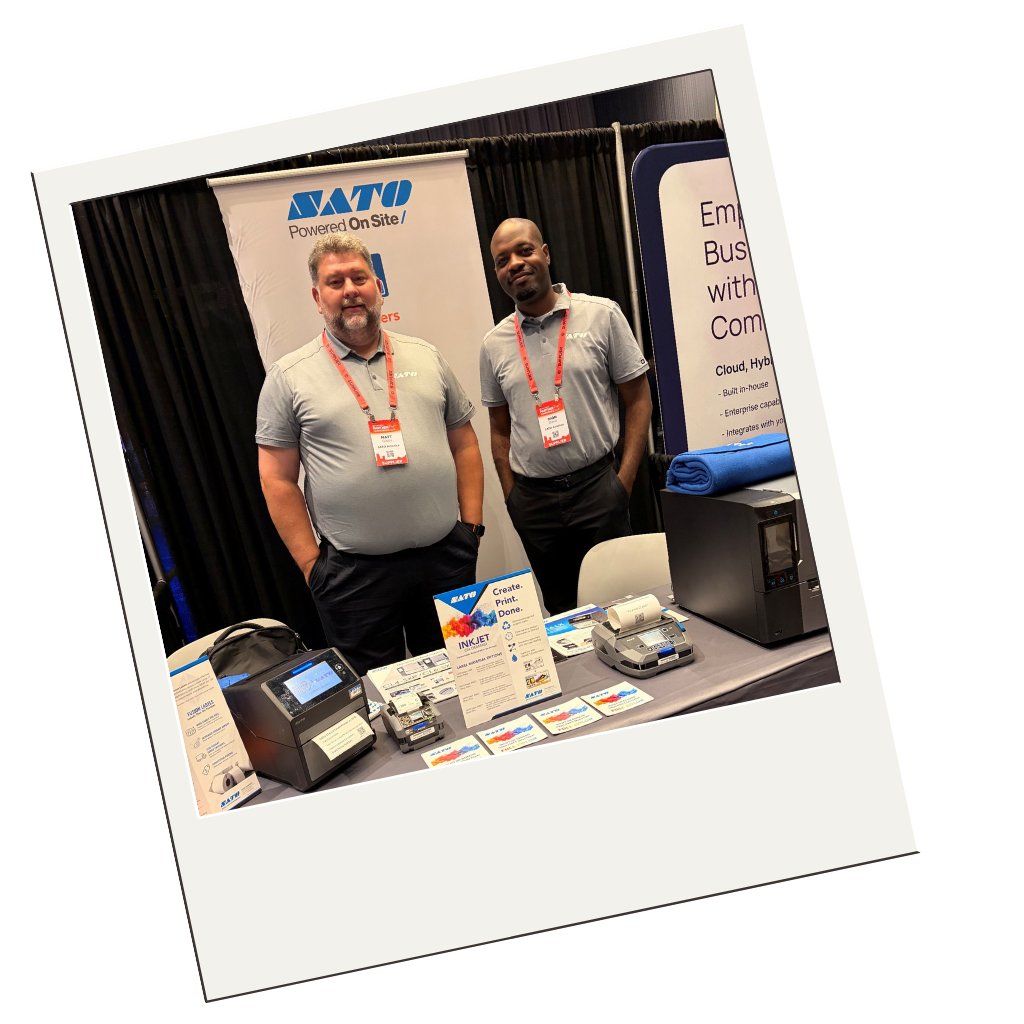
This week at MODEX 2026 in Atlanta, I had the opportunity to spend time walking the show floor, reconnecting with many AIM members, meeting new industry professionals, and seeing firsthand where the material handling and supply chain market is headed. One of the highlights for me was stopping by member booths throughout the week to chat, catch up on what they are working on, and record short videos that we have been sharing on AIM’s social media channels. It was a great way to spotlight the innovation our members are driving while also giving others a look at the people and technologies helping shape the future of supply chain execution.


Another major highlight was our AIM Unwind After 5 networking event on Tuesday evening at Margaritaville, just outside the Georgia World Congress Center. AIM invited members, partners, and industry friends to join us for an informal get-together, and the response was fantastic. With the first drink on AIM, the setting created the perfect opportunity for people to step away from the busy show floor, relax, and have real conversations. What stood out most was how naturally the discussion flowed. People talked about current industry challenges, emerging opportunities, and what they are seeing in the market, but in a fun, low-pressure setting that made it easy to connect. In fact, many attendees stayed well beyond the planned time because the conversations were simply that fun.


As I moved through MODEX, one thing became very clear: the industry continues to push toward more connected, intelligent, and scalable operations. A major theme across the show was the continued importance of Warehouse Management Systems (WMS) as a long-term growth platform. More companies are looking at WMS not just as software to manage inventory or labor, but as a way to also handle new customer demands. That has direct relevance to AIM and our members because the value of a WMS is only as strong as the quality and timeliness of the data flowing into it. This is where AIDC technologies like barcode, RFID, machine vision, mobile computing, and real-time data capture continue to prove essential.


Another clear trend was the evolution of Automated Storage and Retrieval Systems (ASRS).  Many conversations and presentations at the show were  touching on how ASRS provides measurable ROI, flexibility, resilience, and the ability to support any kind of fulfillment demands. For AIM, this reinforces something we have long advocated, that automation works best when it is built on reliable identification, visibility, and interoperability. Whether an operation is using conveyors, robotics,  or some form of artificial intelligence, the ability to accurately identify items, locations, and assets remains the key component.


Speaking of AI, I also saw strong momentum around AI-enabled supply chain execution and the need for systems to work more intelligently together. Many of the discussions and sessions at MODEX centered on how AI can help in spaces like warehouse, transportation, and in order management systems.  End-to-end visibility was not surprisingly a major theme throughout the show. For AIM, that is an important reminder that our technologies sit at the center of this transformation. AI and other platforms are only as powerful as the trusted data they receive, and AIDC is what helps create that trusted data layer.


To everyone I had the chance to meet this week, thank you for the conversations and the time spent sharing ideas. For those I met at MODEX who are not yet part of AIM, I would encourage you to take a closer look at what our community is building. AIM is a vibrant network of innovators, educators, standards leaders, and solution providers working together to move this industry forward.  Reach out to me and we can touch base and get you into our network!  Looking forward to building upon the many discussion points gained from the show

RFID Community Connect to Bring the Industry Together for Two Days of Insight, Innovation, and Real-World Applications

The RFID industry continues to evolve quickly, and staying connected to the trends, standards, and real-world applications shaping the market has never been more important. That is why we wanted to bring the community together for RFID Community Connect, a two-day virtual event designed to deliver practical education, industry perspective, and valuable cross-sector insight.


The event takes place May 19–20 from 11:00 AM to 1:00 PM EDT each day.  We are pleased to be bringing together solution providers, end users, standards leaders, and industry stakeholders for a focused program of concise, high-value sessions. From adoption trends and interoperability to sector-specific use cases and implementation lessons, attendees will leave with a better understanding on how RFID is creating measurable impact across industries.


This year’s program features two standout keynote presentations. On Day 1, Mark Roberti, Founder of RFID Strategies, will open the event with “The State of RFID in 2026: Trends and Market Momentum,” offering a timely look at where RFID adoption is accelerating and the forces shaping the market. On Day 2, Brian Marflak of FedEx will present “Driving 99% Accuracy: How FedEx Leveraged RFID to Boost Productivity by 20%,” sharing a compelling real-world example of how RFID is delivering measurable operational results at scale.


Beyond the keynote presentations, RFID Community Connect will feature a strong lineup of sessions designed to give attendees practical insight into where RFID is delivering value today and where the technology is headed next. While the event agenda includes a wide range of conversations across the RFID ecosystem, here is a look at just a few of the sessions attendees can expect, with more highlights to be shared in the coming weeks. The full agenda is available on the event website.


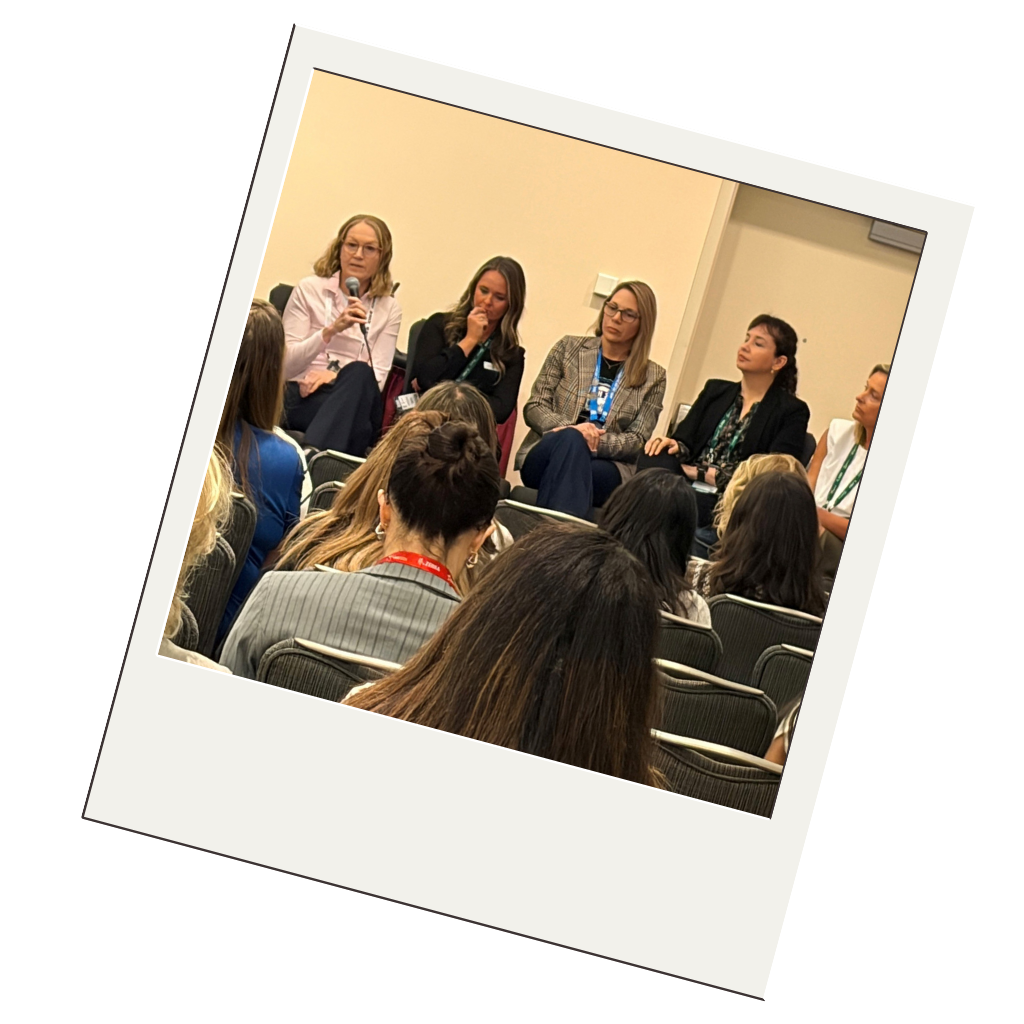
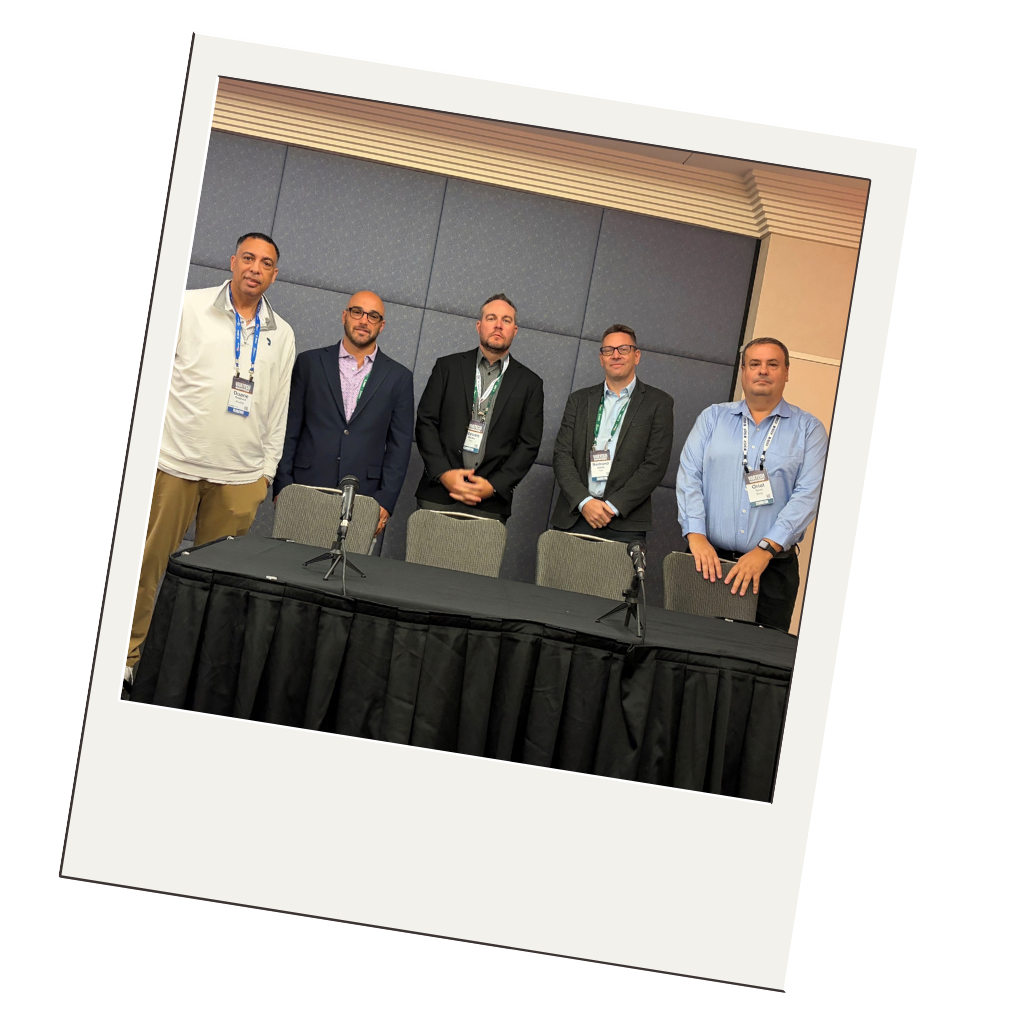
One of the featured discussions will focus on RFID standards and interoperability, an important topic as adoption continues to expand across industries and use cases. Chuck Evanhoe, Chairman of AIM will moderate a panel featuring those in the know on standards in Chris Brown of TSC, Aileen Ryan of the  RAIN Alliance, and Claude Tételin of GS1.  They will explore how standards help create consistency across data, systems, and deployments, while supporting the scalability and reliability organizations need for long-term success. For attendees looking to better understand the broader framework that makes RFID deployments work across the ecosystem, this session will provide valuable context around how standards continue to enable adoption, alignment, and confidence in the technology.


Another standout session will be  “How Embeddable RFID is Transforming Tire Traceability, Maintenance, and Circularity,” which will offer a unique look at one of the most innovative applications of RFID today. Randall Grein of Hana RFID and Peter Ramirez of Michelin will bring insights on how embeddable RFID is moving beyond traditional labels and into the tire itself, enabling persistent digital identities and full lifecycle traceability. From manufacturing through maintenance, retreading, and recycling, the session will highlight how connected tires can improve safety, support compliance, strengthen maintenance visibility, and advance circularity goals. It will also explore how digital twins are beginning to reshape operations for manufacturers, fleets, and service networks.


The program will also include “Spot-On Delivery: Baldor Specialty Foods, RFID and Precision in the Fresh Food Supply Chain,” featuring Avery Dennison’s Patrick Sheets in discussion with Suresh Palanisamy of Baldor Specialty Foods. This session will highlight how RFID is being applied in an environment where timing, accuracy, and product integrity are especially critical. Fresh food operations demand strong visibility and precision, and this discussion will provide attendees with a practical example of how RFID can support more accurate tracking, improved delivery confidence, and better execution across the supply chain. It is a strong example of RFID moving from concept to measurable operational value in a fast-moving and highly demanding sector.


Another session attendees will not want to miss is “Replace the Beep: How RFID Integrators Win Adoption Through Experience, Not Technology,” presented by John Wirthlin of Sonaria. This session will focus on an often-overlooked factor in successful RFID deployments: user experience. Rather than centering only on the technical capabilities of RFID, the discussion will examine driving stronger adoption by creating workflows and interactions that feel intuitive, practical, and easier to embrace than some traditional processes. As more organizations evaluate RFID as part of broader digital transformation and operational improvement strategies, this session will offer a useful perspective on what helps implementations gain traction in the real world.


The agenda will also feature “RFID in Challenging Packaging: Practical Lessons from Bottle Digitalization,” presented by Lou Parker of Checkpoint Systems and Paul Whitney of AsReader. RFID has long faced performance challenges when applied to liquid-filled and difficult-to-tag items, making bottle-level visibility a persistent hurdle across industries such as beverages, wine and spirits, cosmetics, health and beauty, and automotive. This session will explore  approaches to bottle digitalization that are helping overcome those barriers and opening the door to more reliable item-level traceability for products that have historically been difficult to identify and track. Attendees will learn how specialized RFID tag designs for liquid products, including shrink-wrap form factors, can support improved readability, inventory accuracy, and end-to-end visibility from production through distribution and retail. The session will also highlight real-world examples involving automotive fluids, cosmetics, health and beauty products, and wine and spirits, while exploring how handheld, wearable, and mobile RFID readers can be used in practical workflows to capture data efficiently on these items.


Together, these sessions reflect what makes RFID Community Connect especially valuable; a program built around practical deployment stories, emerging use cases, and the broader technical and strategic conversations that continue to shape the RFID industry. This is just a preview of a few of the conversations planned for the event, and AIM will be highlighting additional sessions and speakers in the coming weeks. For the full agenda and registration details, visit the event website.


Register now for RFID Community Connect


A special thank you to the sponsors supporting RFID Community Connect. Their support helps make it possible to bring together education, expertise, and meaningful industry collaboration in a format that serves the RFID community at a time when connection and shared learning matter more than ever.


We look forward to seeing you online May 19–20!

Insight, Education, and Industry Influence Through AIM Membership

AIM membership connects organizations directly to the work shaping the future of AIDC. Through AIM’s industry groups, advocacy efforts, and standards engagement, members gain opportunities to help influence how technologies are adopted and understood across the market. In 2026, AIM continues to support work tied to important initiatives such as the Modernization of Cosmetics Regulation Act (MoCRA), Digital Product Passport and other emerging traceability requirements like the comments submitted by AIM North America  to the Centers for Medicare & Medicaid Services (CMS) and the U.S. Food and Drug Administration (FDA). All of this work reinforces the key role AIM plays as a trusted, unbiased voice helping organizations stay aligned with where the market and regulatory environment are headed.


AIM is also expanding practical education and visibility opportunities for the rest of 2026. In addition to ongoing research, including new work around warehousing and logistics priorities, AIM is continuing to build accessible educational resources through the AIDC Fundamentals video series. These videos help both newcomers and experienced professionals strengthen their understanding of the technologies and best practices shaping the market, with sessions covering topics such as identifiers, system integration, sustainability, standards, quality assurance, media, scanner setup, printer setup, and regulatory compliance.  Combined with AIM’s educational webinars and podcasts; which can be accessed via  YouTube and Spotify, industry events, and the AIM Business Directory, membership helps organizations gain both practical knowledge and increased visibility with decision-makers actively seeking AIDC solutions.


Some things we have learned and shared with membership is that supply chain transparency, traceability, and digital identification are no longer optional strategic initiatives, they are becoming core business requirements. Across manufacturing, logistics, retail, healthcare, and other sectors, organizations are being asked to improve visibility, respond faster to disruptions, and prepare for evolving compliance expectations. Insights from the 2025 AIM Industry Direction Report show that companies continue to invest in the foundational technologies that make this possible, with sensors, IoT, barcode systems, RFID, and other traceability-enabling solutions remaining central to 2026 planning. AIM members receive access to this kind of market intelligence as part of membership, helping them better understand where customer demand is heading and how to position their business accordingly.


As we move through the rest of 2026, AIM will continue advancing industry education, research, advocacy, standards engagement, and member visibility through initiatives like RFID Community Connect, ongoing industry group projects, new market intelligence, and continued thought leadership designed to help organizations stay ahead of what is next. If you would like to learn more about how these trends may affect your business, what AIM is working on, or how membership can help your organization stay better connected and better informed, I would welcome the opportunity to speak with you. Please feel free to reach out to me directly to learn more.

Your Voice, Our Direction: How Member Engagement Shapes AIM’s Future

Over the last several weeks, AIM staff has been reaching out directly to members across our community as part of an ongoing effort to strengthen engagement and better understand how we can continue delivering value to the industry.

Our goal is simple: to learn what’s new with our members, understand their market challenges and opportunities, and refine how AIM supports the AIDC community as a trusted resource and advocate.

These conversations have been incredibly valuable. They not only help us stay connected to the latest developments across the industry, but they also provide important perspective on where AIM is making an impact today and where we can continue to grow.


What We’re Hearing from Members

It’s clear from our discussions that while AIM’s industry initiatives and resources are vital, the heart of our value lies in community. Members consistently tell us that the relationships, shared knowledge, and connections built here are what they value most.

We have also heard that AIM’s industry group and work group calls continue to be a strong benefit for many members. These forums give participants an opportunity to hear what others in the market are seeing, exchange ideas, and contribute to discussions that help shape the future of the industry.

Time and again, we hear that nothing beats face-to-face connection. Holding in-person meetings around major industry events often creates the best opportunities for engagement. Whether it’s a casual breakfast or a dedicated networking session, these moments spark candid conversations, boost collaboration, and build long-term value.

We’ve listened to your feedback and realized that we can do more to help members share their ideas for new projects. We want to make it easier for you to bring these ideas to life, ensuring everyone feels empowered to shape the future of AIM.

Finally, one area of growing interest is finding stronger ways to connect businesses seeking AIDC solutions with the companies and experts within the AIM community. As the need for traceability, visibility, automation, and intelligent data capture continues to grow, there is a real opportunity for AIM to help bridge those connections in a meaningful way.


What AIM Will Be Working On Next

Based on these conversations, AIM will be exploring several next steps designed to strengthen member value and engagement.

We remain committed to fostering meaningful connection opportunities—such as the May RFID Community Connect and Unwind After 5 meetup at MODEX. These initiatives allow members to maximize their time and travel, creating high-impact environments for discussion and collaboration.

We will also be looking at ways to make it easier for members to submit ideas, suggest new initiatives, and share feedback, including options that may reduce barriers for those who prefer to contribute outside of a live meeting setting.  Be on the lookout for an announcement on how to do this in the coming weeks.

AIM continues to bridge the gap between our members and organizations in need of AIDC solutions, education, and expertise. Leveraging our position as a neutral industry leader, we foster these connections while highlighting the immense value of being part of the AIM community.

Most importantly, these conversations reinforce something we already know: member engagement is essential. These discussions help inform new programs, shape future initiatives, and ensure that AIM continues to evolve in ways that directly support the needs of the industry.


Let’s Keep the Conversation Going

If you haven’t yet connected with a member of our team, I would welcome the opportunity to speak with you.

Your input drives our mission. These conversations allow us to align our initiatives with your needs and the direction of the industry. Hearing from you directly ensures we maximize our value and know exactly where to focus our efforts next.