


Hana Technologies Achieves ARC Quality Certification for Manufacturing Excellence in the USA and China – Hana RFID

Avery Dennison Expands RFID Adoption in Grocery Retail Industry

Identiv and Partners Collaborate to Drive Adoption of NFC-Enabled Digital Product Passports
Identiv, NFC Forum, and STMicroelectronics collaborate to support NFC-based solutions for the EU’s Digital Product Passport initiative
Santa Ana, Calif., October XX, 2024 — Identiv, Inc. (NASDAQ: INVE), a global leader in RFID-enabled solutions for the Internet of Things (IoT), is bringing sustainability to the fore, taking a leading role in driving the adoption of NFC-based Digital Product Passports (DPPs). On November 6, 2024, Identiv, in collaboration with NFC Forum, STMicroelectronics, and custom skateboard designer BoardPusher, will host an exclusive webinar focused on the critical role of NFC technology in advancing sustainability efforts and the implementation of the Digital Product Passport.
Driving the Future of Sustainability Through DPPs
The European Union’s DPP initiative is designed to enhance transparency and accountability throughout the lifecycle of a product, from production to recycling. Identiv’s NFC-powered IoT solutions enable products to store and share vital information such as origin, composition, environmental impact, and recycling options, providing businesses and consumers with easy access to verified sustainability data.
“Identiv’s commitment to sustainability through IoT innovation is key to our collaboration with STMicroelectronics, BoardPusher, and the NFC Forum,” said Amir Khoshniyati, Executive Vice President and General Manager, Identiv. “We believe NFC technology is the future of Digital Product Passports, offering a seamless way for brands to provide full transparency and for consumers to make informed, eco-conscious choices.”
As sustainability becomes an increasingly important priority worldwide, the DPP is emerging as a pivotal tool for increasing transparency and accountability. For DPP implementation, NFC tags offer significant advantages, including increased data storage, enhanced security, and seamless user interaction. NFC tags can be embedded within products, protecting the data and offering a secure way to transfer information between the product and an NFC-enabled device.
NFC Forum Executive Director Mike McCamon said, “Using NFC Forum technologies for DPP is leveraging a familiar technology already in billions of devices, which will be key to achieving sustainability. Companies like Identiv and STMicroelectronics are paving the way for the adoption of DPP solutions through their corporate initiatives and as Sponsor members of the NFC Forum.”
NFC can enhance product transparency, sustainability, and traceability, helping brands meet evolving regulatory and consumer demands.
BoardPusher, a leader in custom skateboard manufacturing, is harnessing Identiv’s NFC-enabled DPP solutions to connect each of its skateboards to detailed sustainability data stored on the blockchain. This initiative allows BoardPusher to offer full transparency into the materials and processes used, reinforcing their commitment to eco-conscious practices.
“As a brand committed to both creativity and sustainability, we’re thrilled to be part of this initiative with Identiv and STMicroelectronics,” said Lucas Bond, Founder and Partner, BoardPusher. “At BoardPusher, we’re exploring NFC technology to connect each custom skateboard to detailed sustainability data on the blockchain, offering complete transparency and traceability.”
NFC technology in a DPP ecosystem can enhance product traceability, foster consumer knowledge and trust, whilst driving operational efficiency, enabling brands to deliver on their product sustainability goals.
Romain Pardo, Product Manager for NFC tags at STMicroelectronics, added, “STMicroelectronics NFC technology complements ideally Identiv and BoardPusher solutions and together we create a robust and trusted ecosystem ready to onboard blockchain format information that fits the Digital Passport Product requirements.” [STMicroelectronics is taking a leadership position in sustainability in the semiconductor industry by committing to reach carbon neutrality by 2027.]
The “NFC & NDPP – Powering the Digital Product Passport” webinar brings together global leaders to explore how NFC can accelerate the adoption and implementation of DPPs. The webinar will be held on November 6, 2024, at 9:00 AM ET. To attend, please register here.
About Identiv
Identiv’s full-circle RFID-enabled IoT solutions create digital identities for physical objects, enhancing global connectivity for businesses, people, and the planet. Its solutions, integrated into over 1.5 billion applications worldwide, drive innovation across healthcare, consumer electronics, luxury goods, smart packaging, and more. For additional information, visit identiv.com.
Identiv Media Contact:
press@identiv.com
The Evolution of Global Blood Labeling: Dr. Clive Hohberger’s Contribution to ISBT 128
As a part of AIM celebrating World Standards Day, I sat down with Dr. Clive Hohberger to learn more about the history of ISBT 128; which does a great job of encapsulating the importance of standards in our everyday lives.
ISBT 128 is based on the Code 128 barcode standard, which is a high-density, alphanumeric barcode that can encode a wide range of characters. This barcode format is particularly well-suited for ISBT 128 because it can represent complex data in a compact form, making it ideal for labeling biological products.
Blood is a vital, life-saving resource used in emergency situations, international disaster relief, and wartime efforts. However, before 1994, there was no unified global standard for labeling blood products, which posed significant challenges for ensuring safety, traceability, and proper identification across borders.
In 1991, the International Society for Blood Transfusion (ISBT) took on the crucial task of developing a single, global, language-independent standard for blood labeling. The aim was to create a system where every blood product, regardless of origin, could be uniquely labeled and read anywhere in the world. Dr. Hohberger, a barcode expert and biomedical engineer, was a key member of this task force. As the Editor of version 1.0 of the ISBT 128 global blood labeling standard, he played an instrumental role in shaping this life-saving solution.
The task force selected Code 128, an already established international linear barcode standard, to carry the necessary blood data. This choice ensured that the ISBT 128 barcodes could encode all the relevant information in a language-independent format, making it universally accessible.
The ISBT 128 standard was officially approved in 1994 and quickly adopted by countries worldwide. Today, it is implemented in over 90 countries, transforming the safety and reliability of blood products on a global scale.
In 2019, the World Health Organization (WHO) formally recognized ISBT 128 as the global standard for the identification and traceability of all medical products of human origin. This includes cells, tissues, transplantable organs, breast milk, and corneas, further extending the reach and impact of ISBT 128 beyond blood products.
To gain deeper insights into the development and impact of the ISBT 128 standard, click the link below to watch Dr. Hohberger’s video. In this video, Dr. Hohberger shares his experience working on the task force and provides a real-world example of how global standards enable trustworthiness and safety in healthcare.
Click here to view Dr. Clive Hohberger’s video.
This video is part of AIM’s celebration of World Standards Day, showcasing the importance of standards in ensuring safety, reliability, and global interoperability.

AIM Releases Best Practices to Combat QR Code Phishing
Pittsburgh, PA, October 1, 2024 – AIM, the leading global industry association for the automatic identification and data capture (AIDC) community, is pleased to announce the release of a new educational resource developed by its Technical Symbology Committee (TSC). The Best Practices to Avoid QR Code Phishing infographic provides essential insights into protecting individuals and organizations from malicious QR Code phishing, or “quishing,” attacks.
As QR Codes continue to rise in popularity for their convenience in accessing digital content, they are also becoming targets for cybercriminals. Maliciously encoded QR Codes can redirect unsuspecting users to fraudulent websites, lead to unauthorized downloads, or compromise sensitive information. The TSC’s one-pager offers clear, actionable steps to consider before QR Code usage.
Key Best Practices Discussed:
- Use a Trusted App: Download apps from official sources that offer security features like URL previews before redirection.
- Inspect the QR Code: Visually check for signs of tampering or alterations to the design;
- Verify the Source: Be cautious of QR Codes from unknown or unsolicited sources, especially those found in public spaces or received via email or text.
- Enable Security Features: Keep your mobile device’s security settings up to date and refrain from scanning codes that request personal or financial information.
Mary Lou Bosco, CEO of AIM, emphasized the importance of cybersecurity awareness in today’s digital landscape: “As QR Codes become an integral part of our daily transactions, ensuring their secure usage is critical. This one-pager from the Technical Symbology Committee provides the industry with practical advice to mitigate the risk of phishing attacks and maintain trust in QR Code technology.”
Unlocking the Potential of RFID Tag Recycling and Disposal: Insights from AIM’s Latest Whitepaper
As industries continue to innovate and adapt to new environmental regulations, improving the recyclability of RFID tags is becoming more crucial than ever. AIM’s whitepaper, Guidance for Improving RFID Tag Recycling and Disposal, offers valuable insights into the challenges and solutions the industry faces as it seeks to reduce the environmental impact of these ubiquitous tags.
Opportunities and Imperatives for RFID Recycling
Several RFID providers are stepping up their efforts to design more eco-friendly tags and implement recovery and recycling programs. Motivated by a combination of regulatory compliance, ESG (Environmental, Social, and Governance) goals, and a desire to protect the planet, companies are increasingly taking responsibility for the lifecycle of their RFID products.
A key driver behind these initiatives is compliance with the European Union’s Waste from Electrical and Electronic Equipment (WEEE) regulation. This regulation requires manufacturers to meet stringent targets for product recovery and recycling. In addition to the WEEE, voluntary standards like ISO 14000 and ISO/IEC TR 24729-2:2008 guide companies on minimizing waste and improving recycling processes.
RFID Recycling Challenges
Despite these advancements, RFID tags present several unique challenges for recycling. Composed of various materials like semiconductors, antennas, substrates, adhesives, and sometimes batteries, RFID tags require complex deconstruction processes to recycle their components properly. The global recycling rates for e-waste are strikingly low—read more about those numbers in the full whitepaper.
Solutions in Action
Innovative solutions are beginning to address these challenges. Many RFID providers are now focusing on using sustainable materials and improving the recycling processes for RFID tags. For example, some companies have reported reducing their carbon footprint by as much as 90% by switching to plastic-free antennas and adopting advanced manufacturing techniques. These efforts are complemented by take-back programs aimed at preventing RFID tags from ending up in landfills.
AIM advocates for comprehensive Life Cycle Assessments (LCAs) for RFID products. LCAs help manufacturers quantify the environmental impacts of their products, from material extraction through disposal, and support better decision-making in product design.
Design for Deconstruction and Emerging Materials
One promising approach to addressing RFID’s recyclability challenges is Design for Deconstruction (DfD), a principle that can be applied to electronics to make recycling easier. By designing RFID tags to be disassembled without specialized tools, manufacturers can facilitate the recovery of valuable materials like semiconductors and antennas.
Sustainable materials are also playing a significant role. Paper, biodegradable substrates, and printable electronics are being used to create more environmentally friendly RFID tags. These innovations are reducing waste while improving the recyclability of RFID components.
Collaboration and Standards
To truly make a dent in RFID recycling, collaboration across the industry is essential. Manufacturers, recyclers, and waste management companies need to work together to create effective recovery and recycling processes. Forums such as AIM’s Visibility Technologies Industry Group, the WEEE Forum and the RAIN Alliance’s Sustainability Work group are working on educational materials and other tools to develop industry-wide collaboration that prioritize recyclability and eco-friendly materials.
Next Steps
RFID tags are here to stay, but their environmental footprint doesn’t have to be as large as it once was. With advancements in design, materials, and recycling processes, the industry is making strides toward a more sustainable future. AIM Global is at the forefront of these efforts, providing resources, insights, and advocacy to help companies navigate these challenges and opportunities.
For a deeper dive into the specifics of RFID tag recycling and disposal, download the full AIM whitepaper, Guidance for Improving RFID Tag Recycling and Disposal, and take the first step toward a more sustainable future.
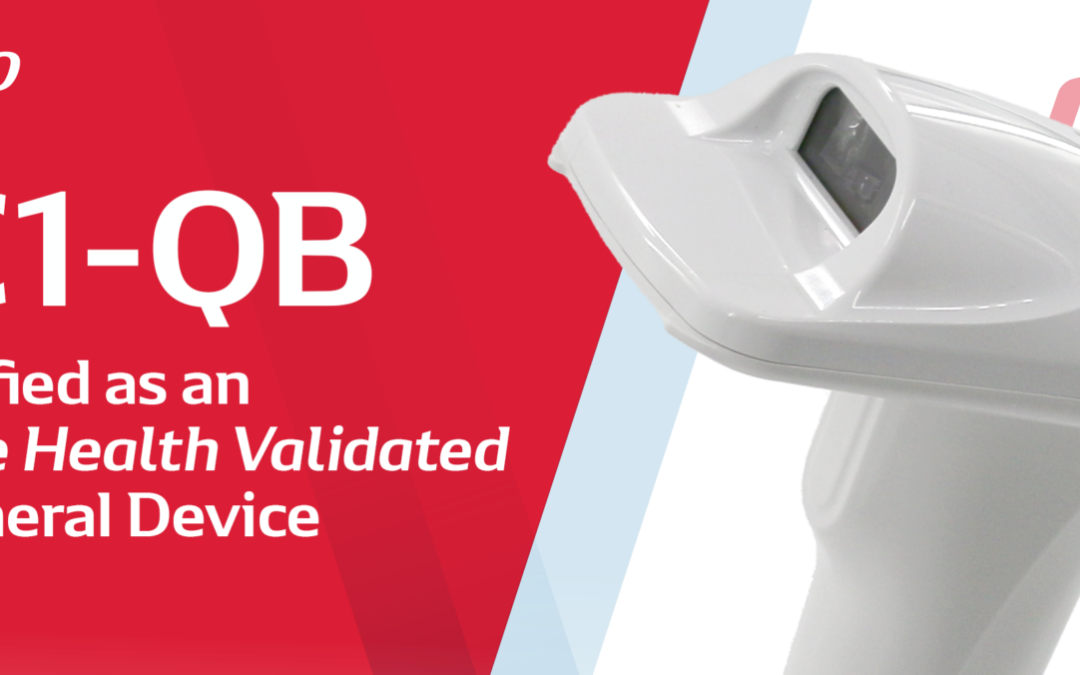
Oracle Health Validates DENSO Health’s SC1-QB Barcode Scanner
Driving Innovation Forward: Highlights from This Week’s AIM Chapter Meeting
This past Monday, AIM chapter leadership convened to discuss exciting developments across the industry, including digital labeling platforms, webinar successes, and strategies to enhance member engagement.
Peter Meng from AIM China kicked things off by presenting a groundbreaking prepackaged food digital label platform. Utilizing the GS1 Digital Link format, the platform has already been adopted by over 60 companies. Peter also highlighted upcoming training events in Beijing, demonstrating the growing momentum behind this initiative.
Sanjive Mehta from AIM India shared the impressive success of recent webinars, with 211 registrations for the second event and a surge in potential new members. Looking ahead, the next webinar, set for October 8th, will focus on patient safety. Sanjive emphasized the potential for barcodes to revolutionize patient care through centralized tracking systems, though noted that implementation in government hospitals remains limited.
Global initiatives were another key topic of discussion. Peter Altes and Frithjof Walk from AIM-D e.V. shared updates on EU-level cybersecurity regulations and the merger of RFID/EREG and NFC groups, which are addressing issues like frequency harmonization and the ETSI/EU Radio Equipment Directive (RED). They also celebrated the 30th anniversary of the chapter, marking a significant milestone in AIM’s journey.
In Russia, AIM is collaborating with GS1 Russia on a national traceability system. This project, which uses AIDC technologies like UHF RFID and DataMatrix codes, tracks a wide range of products, from food to non-perishables. AIM Russia’s role includes offering expert support, conducting consultations, and providing training for project users. The initiative is expanding to cover even more product categories.
Jeanne Duckett from AIM North America outlined several third-quarter initiatives, including webinars and comments on “Data and Technology in the New Era of Smarter Food Safety.” She also highlighted upcoming podcast series from the Cannabis and UDI work groups and AIM’s participation in major events like PACK EXPO and RFID Journal LIVE!
Chuck Evanhoe provided an overview of AIM Global’s industry groups and the important work they’re doing, all of which can be explored in greater detail through AIM’s resources. He also underscored the numerous benefits of AIM membership, ranging from educational opportunities—such as webinars and podcasts—to event discounts.
Speaking of events, the chapter meeting also touched on exciting upcoming events. Henrik Granau from AIM Denmark discussed the RFID & IoT in the Nordics event, scheduled for June 12, 2025, at the IT University in Copenhagen. Anna Lau from AIM Asia highlighted the AIM Asia Annual Meeting and AIDC Connect Asia 2024 exhibition, set for November 18-20 in Macau. These events will unite AIDC organizations, industry innovators, and academic experts specializing in automated data capture technologies.
The meeting concluded with updates on webinars, member engagement strategies, and social media outreach, presented by Bethany Deane and myself.
It’s clear that AIM is on the path to growth, and we’re excited to continue driving innovation across the industry. We look forward to our next meeting in December as we work together to expand opportunities for the AIDC community.
Stay tuned for more updates as we enter the autumn event season, and keep up with AIM’s mission to support the global AIDC community!
AIM Celebrates the 20th Anniversary of the RFID Experts Group (REG)
Pittsburgh, PA, September 10, 2024 – AIM, the leading industry association with over 50 years of innovation, standards, and solutions in automatic identification and data capture (AIDC) technologies, is proud to celebrate the 20th anniversary of the RFID Experts Group (REG).
Founded in 2004, the REG has played a pivotal role in shaping the standards, education, and implementation guidance for Radio Frequency Identification (RFID) technology. As part of this milestone celebration, AIM is launching a new website dedicated to showcasing the REG’s achievements and providing essential resources for the RFID community.
RFID.ORG offers a suite of educational and practical content designed to help users, implementers, and stakeholders better understand and apply RFID technology. Key resources include:
- RFID 101: A concise overview of RFID technology, providing a general introduction to its principles, applications, and benefits.
- Glossary of RFID Terms: An extensive glossary to familiarize readers with the essential terminology associated with RFID technology.
- RFID Implementation: A foundational guide to implementing RFID technology, outlining basic steps and considerations that can be expanded upon as needed.
- Introduction to Numbering Systems for RAIN RFID Tags: This critical document discusses the importance of globally unique identifiers, such as the Unique Item Identifier (UII) or Electronic Product Code (EPC), for the successful and efficient operation of RAIN RFID systems.
Chris Brown, RFID Program Director and Subject Matter Expert at TSC, spearheaded the content development on RFID.ORG specifically because of the importance of providing clear direction and education on key components in this fast-growing industry. “Without clear guidance on data content, RFID implementations can not only be delayed, but they can also lead to ‘Tag Clutter,’ aka ‘Tag Pollution.’”
The site also features a video that highlights the formation of the RFID Experts Group, its key initiatives over the past two decades, and the vital role it plays in advancing the RFID industry. This resource is designed to provide both historical context and insight into the ongoing work of the REG, showcasing why it remains a critical voice in RFID standards and issues.
A Legacy of RFID Education, Advocacy, Community and Standards Development
Established in 2004 as an expert advisory group within AIM Global, the RFID Experts Group (REG) was initially chartered by the U.S. Department of Defense to address the challenges of supply chain adoption of RFID systems. Since its inception, the REG has expanded its influence beyond defense and supply chain applications, providing guidance through whitepapers, guides, and standards that have shaped the broader RFID industry.
“The REG’s contribution to the growing market adoption of RFID technologies and its ecosystem cannot be understated,” said Mary Lou Bosco, CEO of AIM. “For the past 20 years, the group has not only provided the industry with critical standards, guidelines, and advocacy but also fostered a community of collaboration and innovation that drives RFID implementation across numerous vertical markets and success today.”
Currently, the REG comprises over 40 organizations from the U.S., Europe, and Asia, representing a diverse range of stakeholders committed to advancing RFID technology. The group remains focused on addressing the standards and issues associated with RFID and continues to be a leading authority on RFID-related matters.
Looking Ahead: The Future of RFID Education and Resources
The industry is on the verge of integration into mobile devices with consumer devices equipped with the technology are set to follow. This will allow customers to direct connect with products through RFID-enabled smartphones. The REG and RFID.ORG will continue to expand with additional resources, updates, and insights added regularly. AIM invites the RFID community and industry stakeholders to join in celebrating the successes of the RFID Experts Group and to take advantage of the wealth of knowledge and expertise available through the newly launched content.
For media inquiries or further information on these resources, please contact AIM’s headquarters by email at info@aimglobal.org or call +1.724.742.4470.
About AIM
AIM is the trusted worldwide industry association for the automatic identification industry. For over half a century, AIM has provided unbiased information, educational resources, and standards to providers and users of AIDC technologies. AIM membership offers access to insider perspectives on trends and opportunities, advocacy, and community engagement. Visit www.aimglobal.org for more information.